Replacing a Diesel Generator With an Off Grid Lithium Battery in Canada’s Remote Regions
Key Takeaways
- A lithium battery bank paired with solar can take over most of the daily loads a diesel generator once carried, leaving the generator as an occasional backup.
- Running a generator only to recharge batteries can reduce runtime and fuel use compared with generator-only setups.
- Lithium (LiFePO4) batteries need protection from sustained cold, and at constant temperatures of -20°C or lower, we recommend lead carbon batteries instead.
- Correct sizing depends on daily energy use, desired backup time and seasonal solar availability.
- We design off-grid systems around each site, from equipment selection to ongoing support.
Across northern and remote Canada, diesel generators have long been the default source of power for cabins, camps, telecommunications sites and rural operations. They are familiar and dependable, but they come with ongoing fuel costs, constant noise, regular engine maintenance and the logistics of moving fuel to sites reached by winter road, barge or float plane. For many property owners and operators, the question is no longer whether to reduce diesel use but how to do it without giving up reliability.
At Hub Power, we work with customers across the country who are shifting from generator-first power to systems built around solar generation and battery storage. An off grid lithium battery in Canada stores energy produced during the day and supplies it through the evening and night, so the generator no longer needs to run around the clock. The right approach depends on climate, loads and how often the site is used, and each of those factors shapes the system we put together.
Where Diesel Falls Short and Lithium Storage Fits
Diesel generators are only producing electricity when they’re on, so at remote sites this means running them for long hours to power low loads like electrical and equipment power, refrigeration, and communication and water pumping equipment. For optimal performance, a generator should operate near its rated load. Long periods of operation at a low or light load can result in wasteful fuel consumption and increased engine wear and carbon buildup. All of this means increased service and maintenance intervals.
Battery storage allows for the use of a generator for a short, less productive period of time to recharge a battery bank, and then allows for the generator to be turned off until it is needed again. Adding solar to the system allows for off-peak charging. Many of the off-grid systems we design recently moved from a generator running most of the day to one which starts automatically only when battery levels reach a set threshold, or during long periods of poor or no weather.
Lithium iron phosphate (LFP or LiFePO4) chemistry suits this role well. The traits that matter most in off-grid applications include:
- High energy density, which saves space in small equipment sheds and cabins
- Long service life across many charge cycles
- Fast charging, which shortens generator runtime when backup charging is needed
- Minimal maintenance compared with flooded lead acid batteries
- Built-in safety and monitoring features
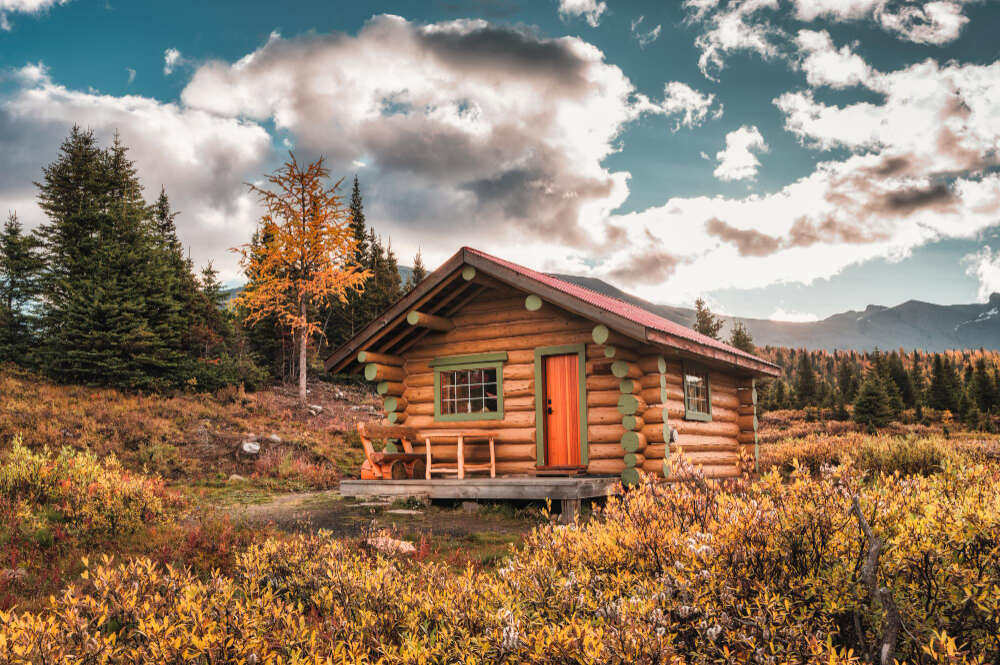
Off-grid lithium batteries in Canada can be a good alternative to generators for remote cottages, hunting or fishing camps, or farms. We can configure off-grid lithium batteries to store enough energy to power essential loads for 24 or 48 hours. Off-grid batteries can also power some loads while the generator is off, usually during the night. A backup generator can be useful in case the batteries are drained. A backup generator can also be useful if the batteries are fully drained during long periods of bad weather. This can happen if the property has a high winter load or is lacking solar exposure in December or January. Remote areas in Canada usually have long distances between buildings, making the extension of utility services costly. In some cases, an off-grid battery system can be a more cost-effective alternative.
Designing a System for Cold, Dark and Remote Sites
Addressing the unique conditions in remote areas of Canada means that real demands are placed on the power systems designed to operate in those areas. Solar systems, for example, are affected by short winter days, snow covering the solar panels and long winter months where the temperature remains well below freezing. Designing systems to accommodate all of these conditions is imperative.
Temperature is the first consideration. Lithium batteries can’t function at -20°C for long periods. In locations where the batteries can be placed in a heated or insulated enclosure, using lithium batteries for off-grid systems in Canada is a good option. Where the batteries are exposed to the elements, we suggest using lead carbon batteries. Although lead carbon batteries are a higher first cost than a lithium battery, they offer a lower total cost of ownership due to their low maintenance and high cycle life. Lead carbon batteries have a higher discharge and charge capability at low temperatures compared to flooded and AGM batteries. Being upfront about lead carbon batteries at the design stage avoids issues once the system is put into service.
Sizing comes next. We look at the loads the generator currently carries, how often the site is occupied, the altitude and how remote the site is. Based on all of that, we determine how large of a battery system is required to meet the customer’s expectation of how long they want the system to run before the generator kicks on.
The remaining components complete the system:
- Solar panels on roof, pole or ground mounts, chosen around space, shading and snow conditions
- A hybrid or off-grid inverter that converts DC power to AC and manages energy flow
- Solar charge controllers, either separate or built into the inverter
- Battery monitoring and energy management for real-time visibility
- Optional generator integration with automatic start
Pole and ground mounts are often helpful in snowy areas because the array can be positioned at an optimal tilt and placed away from shading, and many pole mounts can be adjusted seasonally to make the most of winter sun. Monitoring matters even more at sites that are rarely visited. Remote visibility into battery status and solar production allows operators to spot issues before they lead to a shutdown and to plan fuel deliveries around actual need instead of a fixed schedule.
Diesel Generator and Lithium Battery Systems Compared
| Factor | Diesel Generator Only | Lithium Battery System With Solar |
| Daily operation | Runs whenever power is needed | Batteries supply loads while solar recharges during the day |
| Fuel and logistics | Ongoing fuel purchases and deliveries | Generator, if kept, runs mainly for backup charging |
| Maintenance | Frequent oil changes and engine servicing | Minimal battery upkeep and fewer generator service hours |
| Noise | Engine noise whenever power is in use | Quiet operation while running on battery and solar |
| Cold weather | Engine needs cold weather preparation | Lithium needs protection at sustained -20°C or lower, with lead carbon as an alternative |
| Monitoring | Often limited to on-site checks | Real-time view of production, storage and consumption |
Moving away from a diesel-first setup does not have to mean giving up reliability. With the right battery chemistry, a properly sized solar array and a generator kept in reserve where it makes sense, remote properties and operations can reduce fuel use, noise and maintenance while keeping power available day and night. The key is matching the system to the site’s climate, loads and access.
Our team has over 30 years of experience with batteries, solar and power conversion products, and we stock the components needed for complete off-grid systems with fast shipping across Canada. Whether you need individual components or a full system design, we can help you decide whether an off grid lithium battery in Canada or a lead carbon alternative is the right fit for your location. Contact our team to talk through your current generator setup and the energy needs of your property or operation.