Off-Grid Cabin Products in Canada Every Property Actually Needs
Key Takeaways
- A complete off-grid cabin system depends on matched components, not just a stack of panels.
- Battery chemistry choice changes significantly once winter temperatures drop below -20C.
- Mounting method should follow your roof space, shading, and terrain rather than habit.
- Monitoring and charge control protect the investment as much as the panels do.
- A generator is not a backup plan on its own; it works best paired with the right battery bank.
Building or upgrading a remote property means facing a decision that grid-connected homeowners rarely think about: how the electricity actually gets there. For cabin owners across British Columbia and the rest of Canada, that answer usually starts with the right off grid cabin products in Canada, chosen and sized for the property rather than pulled off a shelf in a generic bundle. A hunting camp near a lake, a four-season cottage in the Interior, or a construction trailer on a remote job site each draw power differently, and the equipment list should reflect that.
Utility extension to a remote lot can run into tens of thousands of dollars once trenching, poles, and transformers are factored in, which is why so many cabin owners look at solar and battery systems as the more practical long-term investment rather than a fallback option. A well-designed system also means freedom from the noise, fuel runs, and maintenance schedule that come with relying on a generator as a primary power source.
The Core Components Of A Working System
A working off-grid system is basically five units working as one. Solar panels produce the electricity. A charge controller, typically integrated inside the inverter, controls how that electricity reaches the battery bank, so the cells safely charge without being overworked. The battery bank stores what the panels generate in the daytime so lights, pumps and appliances still work at night. A hybrid or off-grid inverter takes that stored DC electricity and turns it into the AC power that a cabin’s outlets and light fixtures really utilize. Monitoring ties it all together, giving owners visibility into production, consumption and the state of the battery so that problems are caught early, not in a February cold snap.
Most things that don’t do well go wrong by skipping any one of these pieces or mixing up their capacities. A panel array the right size for a family cottage is wasted if paired with an undersized battery bank, and an excessive inverter is wasting precious standby watts in a system that is meant to conserve every single watt. The balance-of-system parts warrant the same attention as the headline equipment because even the best components can underperform if the wiring, breakers and fusing between them is undersized or poorly conceived.
Choosing off-grid cabin products in Canada also means accounting for how differently a property is used. A weekend fishing camp with modest lighting and a radio has very different needs than a full-time residence running a fridge, well pump, and heating system. Matching the array, battery bank, and inverter to actual daily consumption, rather than to a one-size package, is what keeps a system reliable through the shoulder seasons when solar production is lowest. Owners who skip this step often end up buying a second round of equipment within a year or two once they realize the original system was undersized for how the cabin is actually lived in.
Battery Chemistry Changes With Canadian Winters
Battery selection is where Canadian climate becomes a real design factor rather than a footnote. Lithium batteries, particularly LiFePO4 chemistry, offer high energy density, long service life, fast charging, and minimal maintenance, which makes them the default choice for most cabin applications. They also tend to include a built-in battery management system that protects cells during charging and discharging, along with remote monitoring that lets an owner check battery health from home before a weekend trip.
The exception is prolonged cold. Lithium chemistry does not operate well when ambient temperatures remain at -20 degrees Celsius or lower for lengthy periods of time, which is not uncommon in cabins in the Interior, Prairies, or northern Ontario during January and February. Lead-carbon batteries are typically best suited for these conditions. They can charge and discharge consistently in low temperatures and have a longer cycle life than flooded or AGM alternatives, although sacrificing some of lithium’s energy density.
The battery capacity should be sized based on three variables: daily energy consumption, how many hours or days of backup are required in the absence of sunlight, and how much solar production drops in the winter versus summer. A cottage used primarily in July and August can get by with a smaller bank than one occupied year-round, although December’s short days necessitate more stored reserve per sunny hour collected. It is also worth adding a margin above the calculated minimum because batteries lose usable capacity as they age, and a system sized right at the edge on day one will fall short within a few seasons.
Mounting, Monitoring, And Generator Backup
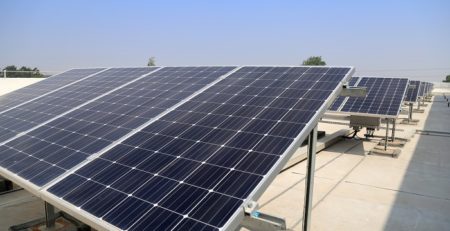
Where the panels go matters almost as much as how many there are. Roof mounting is the most common and cost-effective option when a cabin has adequate south-facing roof space with minimal shading, since panels attach directly to the existing structure using hardware matched to the roofing material. Pole mounting works well when roof space is limited or ground-level shading is a problem, and many pole arrays can be adjusted seasonally to track the sun’s lower winter angle. Ground mounting, anchored with driven piles, concrete footings, or screw piles, gives owners the most flexibility for larger arrays and easier future expansion, which suits properties planning to add capacity down the road as energy needs grow.
Advanced monitoring systems complete the setup by providing real-time visibility into solar production, battery state of charge, and overall system performance, allowing the owner to detect a failing panel or a dwindling battery before it becomes a dead system on Friday night. Generator integration adds reliability for properties that require extra assurance during extended cloudy periods without converting the cabin into a generator-only operation. When the batteries reach a certain level, the system can start the generator automatically, recharge the bank, and shut it down, reducing fuel consumption and runtime compared to operating a generator constantly during an outage.
| Component | What It Does | Why It Matters for Canadian Cabins |
| Solar Panels | Convert sunlight into DC electricity | Array size must reflect winter production drops, not just summer output |
| Charge Controller | Regulates power flow to the battery bank | Protects battery life and prevents overcharging |
| Lithium (LiFePO4) Battery | Stores energy for night and cloudy-day use | High density and fast charging, best above -20C |
| Lead Carbon Battery | Alternative storage option | Performs better in sustained cold below -20C |
| Hybrid/Off-Grid Inverter | Converts DC to usable AC power | Sized to match actual appliance and load demand |
| Backup Generator | Recharges batteries during low-solar periods | Reduces runtime and fuel use versus generator-only setups |
Getting these choices right from the start avoids the common trap of buying components piecemeal and discovering later that the inverter cannot handle the battery bank, or that the panels were never going to produce enough through a Canadian winter. A property owner working through this process benefits from starting with an honest look at how the cabin is actually used throughout the year, factoring in how many people stay there, what appliances run daily, and how long the property sits empty between visits, then building the system around that reality rather than around a package deal picked off a price list.
For anyone planning a build or an upgrade, working through off grid cabin products in Canada with a supplier who understands regional climate demands makes the difference between a system that works reliably for a decade and one that needs constant troubleshooting. Hub Power designs these systems around the property’s actual energy requirements, climate exposure, and seasonal usage pattern, which is the same approach that keeps remote camps, cottages, and rural businesses running through every season the property sees.