Blog

How to Size a Lithium Ion Solar Battery in Canada: kWh, Inverters, and Real‑World Examples

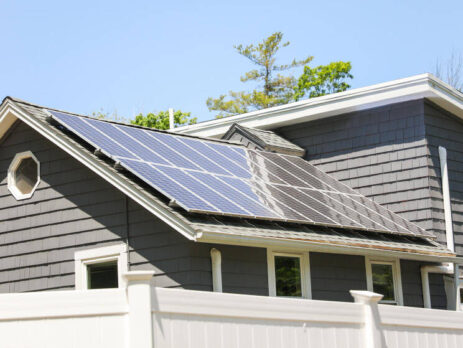
As Canada's premier distributor of batteries, solar, and power conversion products. We regularly help clients in designing energy systems. An important aspect of any solar installation is energy storage, like lithium-ion solar batteries. This is an increasingly popular option due to its efficiency and longevity, but accurately sizing one often proves challenging. To address this, we will discuss effective methods for selecting appropriate capacities of lithium ion solar batteries in Canada. Including factors like daily energy usage patterns, autonomy...


Lead‑Acid vs Lead‑Carbon vs LiFePO₄: Which Is The Best For Solar Batteries in Canada?

Hub Power has over three decades of experience helping Canadians design and install solar energy systems that deliver reliable power to their homes, cabins, RVs, and vehicles. One of our most frequently asked questions is "Which type of battery should I choose for my solar panel system?" Are you exploring your options for solar batteries in Canada? There are four main solar battery types: Traditional flooded lead‑acid Lead‑carbon deep cycle Lithium – specifically LiFePO₄ (LFP) Hub Power offers all these technologies...


HUB POWER – Winter Newsletter

Powering You Through the Season As winter settles in across North America, we know how important it is to have reliable power for your RV, work truck, boat, cabin, or off-grid system. Many customers will be winterizing their summer cabins or storing vehicles and boats, so now is the perfect time to ensure your batteries are properly maintained. Cold temperatures can significantly impact battery performance and lifespan. To protect your investment, follow the storage and maintenance recommendations below, based on your battery...


Category: Articles, News

Solar System Batteries Canada vs. Generators: Which Is Better?

You've probably compared traditional generators to battery-based solar if you're looking for a way to power a remote cabin in Canada. Hub Power helps customers to design reliable systems that balance cost, reliability, and convenience. It's important to note that battery-backed solar systems can reduce the amount of time a generator runs and its costs by up to 50% when they are designed correctly. In many cases, a hybrid system based on a powerful battery bank, inverter and generator is...


Ultimate Guide to Solar RV Packages in Canada: Costs, Components, and Sizing Your System

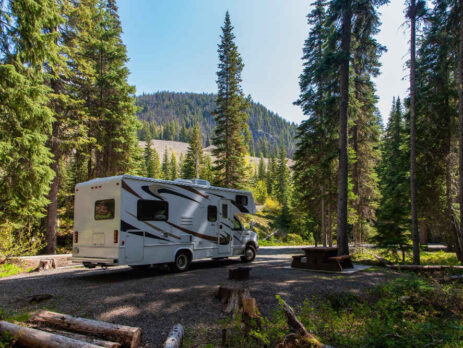
With dependable solar systems designed for the Canadian environment and camping lifestyle, Hub Power has spent decades helping Canadians take charge of their on-the-go energy. Knowing the fundamentals of solar RV packages in Canada can help you pick the best kit the first time, whether you're a weekender trying to keep a few necessities running without a generator or a full-timer seeking clean, quiet power for travelling across the nation. The components of a full RV solar system, how...


Thinking About Switching from AGM to Lithium?

Talk to the experts at Hub Power Ltd. As power demands grow—from off-grid solar and material handling to fleet vehicles—choosing the right battery technology is more important than ever. Here’s why lithium batteries are quickly becoming the top choice over traditional deep cycle AGM: ✅ Longer Lifespan Up to 6x the cycle life at 80% depth of discharge (DOD), meaning fewer replacements and a lower cost per cycle than AGMs. ✅ Lighter & More Compact Typically 50% lighter than deep cycle AGMs—ideal for weight-sensitive and space-limited...


Category: News

Inverter/Charger Buying Guide

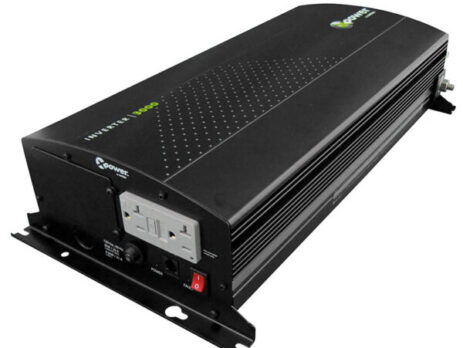
If you own a boat, RV or Work Truck and you are thinking about upgrading your inverter to an inverter/charger or just replacing your current inverter/charger, here are some of the key things to think about: Consider What an Inverter/Charger Does An inverter/charger combines three functions: 1. Inverter – converts DC (your battery bank) to AC (to run household‑type appliances). 2. Charger/Converter – takes AC (from shore power or generator) to charge your batteries. 3. Automatic transfer switch – switches between power sources when needed. Important...


Category: NewsTags:

Lead Carbon vs Lithium Batteries – Comparison Guide

A side-by-side look at the pros and cons of Lead Carbon and Lithium battery technologies. Feature / Factor Lead Carbon Batteries Lithium Batteries Upfront Cost ✅ Lower purchase price – more affordable entry cost ❌ Higher initial investment Cycle Life ❌ Shorter cycle life (2,000–3,000 cycles at 50% DOD) ✅ Longer life (3,000–6,000+ cycles at 80% DOD) Partial State of Charge (PSoC) ✅ Excellent tolerance – minimal sulfation ⚠️ Performs well but requires precise charging Charging ❌ Lower charge currents result in slower charging time. ✅Cells can tolerate higher charging current. Therefore, faster charging. Temperature Performance ✅...


Category: News

Lithium Batteries for Marine Canada: Top Mistakes to Avoid When Upgrading

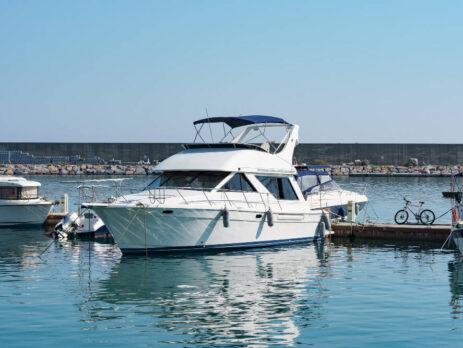
Upgrade to lithium batteries for marine Canada and you can make a significant improvement to your boat. You will benefit from lighter weight, faster charging capacity, longer cycle life, and a higher usable power. It takes more than just swapping your lead-acid battery to get it right. A well-thought-out plan will prevent costly mistakes, protect your alternator and electronic components, and ensure that your system is able to perform in Canadian conditions, from the BC coast up to the...


Explore the Freedom of Off Grid Cabin Solar Power in Canada

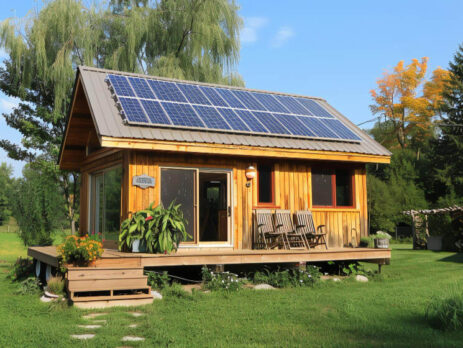
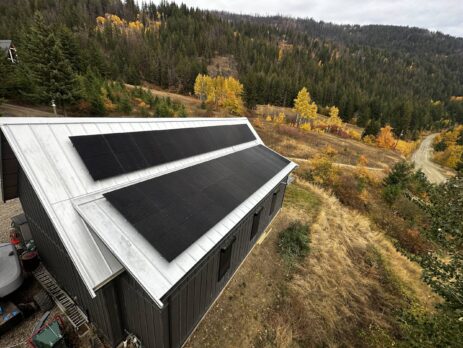
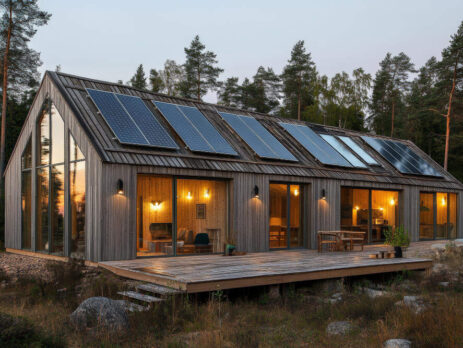
At Hub Power, we believe in empowering Canadians with energy solutions that are built for the unique demands of off-grid living. Whether you're nestled in the mountains of British Columbia or tucked away in a forested clearing in Ontario, off grid cabin solar power in Canada offers unmatched reliability and independence. Having a self-sustaining solar power system is not only a convenience but also a necessity due to growing electricity rates and restricted access in isolated places. Numerous homes,...