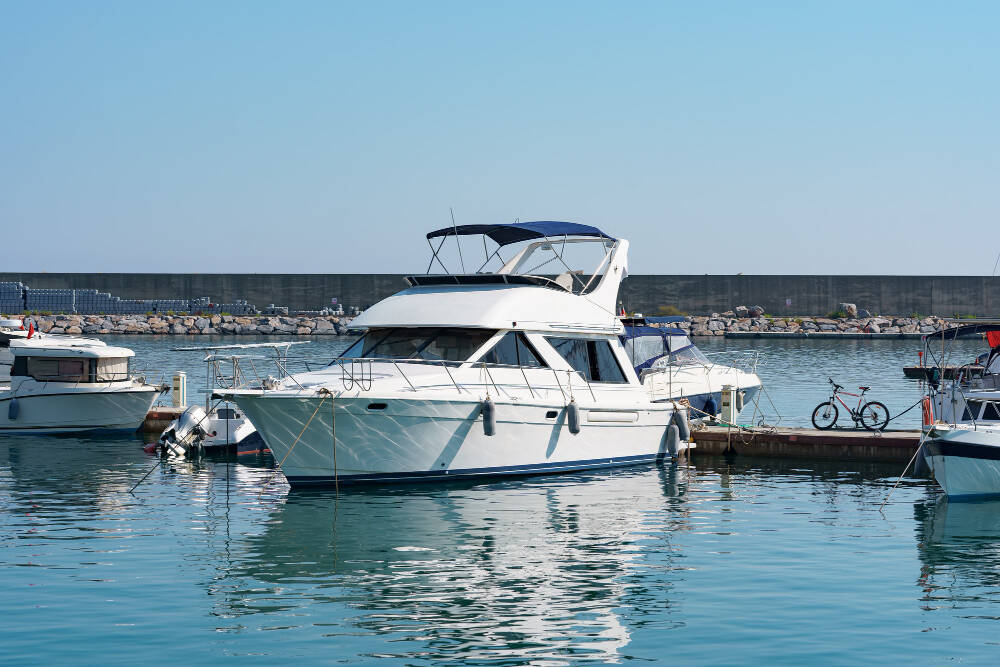
Saltwater and Freshwater Use Options for Marine Starting Battery in Canada
Key Takeaways
- Saltwater and freshwater do not change how a battery produces power but they significantly affect durability and lifespan
- Corrosion exposure is the main difference between saltwater and freshwater environments
- Climate storage and charging habits matter more than water type for long term performance
- Choosing the right marine starting battery depends on environment use frequency and maintenance expectations
Choosing a marine starting battery in Canada usually boils down to brand preference, boat size, and engine type, but one aspect that is commonly misinterpreted is water type. A common misconception among boat owners is that freshwater and saltwater have entirely distinct battery requirements, or that one environment is more taxing on battery performance than the other.
In reality, the distinction lies more in how the environment impacts corrosion, moisture exposure, charging dependability, and long-term storage than it does in how a battery starts an engine. Boat owners can avoid premature battery failure and make better purchasing selections by being aware of these variances, particularly in Canadian conditions.
Does Water Type Really Affect a Marine Starting Battery
On a technical level, freshwater and saltwater have no effect on a battery’s ability to produce power. Whether a marine starting battery is mounted on a lake boat or a coastal vessel, it operates electrically in the same way. Battery design, not water chemistry, determines voltage output cold cranking performance and engine start capability.
Everything surrounding the battery is where the type of water matters. Saltwater conditions increase the danger of corrosion and release salt moisture into the air. Seasonal storage and humidity condensation are major problems in freshwater environments, especially in colder climates.
This difference is crucial for Canadian boat owners selecting a Marine Starting Battery in Canada. The environment is continuously interacting with the terminals, wires, housings, and charging components, but the battery itself is not responding to the water.
Saltwater Use and Corrosion Exposure
Saltwater boating environments are more aggressive on electrical systems. Salt does not need direct contact with the battery to cause issues. It travels through air spray and humidity, settling on metal surfaces over time.
Common saltwater related impacts include:
- Accelerated terminal corrosion
- Degradation of cable connections
- Increased resistance at contact points
- Higher maintenance requirements
For saltwater applications, sealed battery designs are often preferred. AGM marine starting batteries reduce exposure to corrosive elements and limit internal moisture movement. They are also better suited for vibration and variable mounting positions common on larger or offshore boats.
In such situations, protective measures become crucial. Conductivity is maintained, and connection life is increased by routine terminal cleaning using dielectric grease or anti-corrosion spray. Enclosures for battery boxes offer an extra defense against salt penetration, especially for batteries placed in exposed areas. Maintaining ventilation is still necessary to avoid gas accumulation. Regular visual checks aid in spotting rust early on before performance deteriorates. Some boats perform preventive maintenance by applying protective coatings to cable ends and terminals in high-exposure situations. These measures greatly lower the frequency of replacements and increase dependability in crucial starting scenarios.
This is where product quality matters. Marine starting batteries built with sealed housings and reinforced terminals are better equipped for coastal use and longer service intervals.
“Our batteries have been designed with high cranking power, providing no hassle start-ups and low vibration. There is enough reserve capacity to provide power for all of your needs “
Freshwater Use and Storage Challenges
Freshwater environments may appear gentler but they come with their own risks especially in Canada. Boats used on lakes and rivers are often stored for extended periods particularly during winter months.
Freshwater specific concerns include:
- Long idle periods leading to sulfation
- Condensation buildup during temperature swings
- Infrequent charging during off seasons
A Marine Starting Battery that sits unused for months without proper maintenance can lose capacity faster than one used regularly in saltwater. Cold weather compounds this issue by increasing starting demand while reducing available power.
Lead sulfate crystalline crystals form on the battery plates; they become hard and difficult to remove if not charged. Cold storage speeds up this process. Using a smart maintainer or trickle charger during off-season storage will prevent deep discharge and keep the battery in good condition for spring. Temperature-controlled storage is ideal but not always practical.
When storing in non-heated areas, charging the battery and disconnecting the terminals beforehand will reduce parasitic drain. Battery removal is a common practice for boaters who store their batteries indoors during winter. This prevents damage from freezing and makes it easier to monitor. When storing batteries, check the voltage every month to catch problems early.
For freshwater boaters, battery choice should prioritize cold cranking performance, reliability after storage and compatibility with onboard charging systems.
Battery Types and Suitability by Environment
There are three main types of marine starting batteries: flooded AGM, lithium and lithium-ion. Each battery behaves differently based on the environment and usage.
- The cost-effectiveness of the flooded batteries is offset by the need for regular inspections and their greater vulnerability to corrosion. These batteries are suitable for freshwater applications where access to maintenance is easy, but less suited for exposure to saltwater.
- AGM batteries are vibration-resistant and offer reduced maintenance. These batteries are a good choice for Canadian boaters that deal with mixed weather conditions. They work well in both environments.
- Lithium starting batteries are known for their fast charging, stable voltage and long life. These batteries are ideal for modern boats that have higher electrical loads, but they require charging systems compatible with the boat and proper installation.
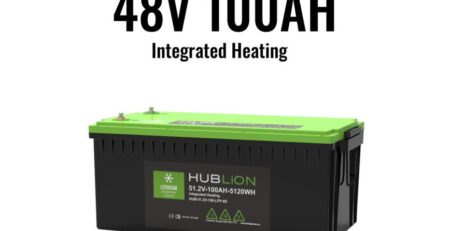
HubPower provides a range of marine starting batteries designed specifically for Canadian conditions, including AGM and Lithium models that are built to deliver reliability and consistency.
Charging Systems Matter More Than Water Type
Many battery failures attributed to the environment are actually caused by improper charging. Undercharging, overcharging and incompatible alternators damage batteries regardless of whether the boat operates in saltwater or freshwater.
Common charging related issues include
- Alternators not reaching full charge voltage
- Parasitic draw from onboard electronics
- Incorrect charger settings for battery type
For boat owners using a Marine Starting Battery in Canada, ensuring the charging system matches the battery chemistry is essential. This is especially important when upgrading from flooded to AGM or lithium batteries.
Consistent charging helps prevent sulfation maintains capacity and extends service life across all environments.
Climate and Seasonal Factors in Canada
Canadian boating conditions amplify environmental stress on batteries. Cold temperatures increase starting demand while reducing battery efficiency. Freeze thaw cycles create condensation that affects terminals and housings.
Whether used in saltwater or freshwater, Canadian batteries must handle
- Cold starts in spring and fall
- Extended winter storage
- Temperature fluctuations during transport and storage
Selecting a battery rated for cold cranking performance and designed for seasonal use is more important than choosing one solely based on water type.
Practical Selection Tips for Boat Owners
Rather than focusing only on saltwater versus freshwater boat owners should evaluate how and where their boat is used.
Key considerations include
- Frequency of use
- Storage duration and conditions
- Exposure to salt air or spray
- Electrical load from onboard systems
Matching these factors to the right battery design leads to better performance and fewer replacements over time.
| Environment Factor | Saltwater Use | Freshwater Use |
| Corrosion Risk | High due to salt air and spray | Moderate due to humidity and condensation |
| Storage Impact | Often used year round | Longer seasonal storage common |
| Maintenance Needs | Higher terminal inspection | Focus on charge retention |
| Battery Preference | Sealed AGM or lithium | AGM or high quality flooded |
| Charging Sensitivity | High due to exposure | High due to inactivity |
It is more important to understand the environmental exposure, maintenance requirements and usage habits when choosing between saltwater or freshwater. The right battery will reduce downtime and provide reliable starts throughout the Canadian seasons.
Marine Starting Battery in Canada are matched based on corrosion risk, storage conditions, charging systems, and climate. Not just water type. Boat owners can expect reliable performance, whether they are navigating coastal waters or lakes.